
I whipped up a Garlic White Wine Sauce for pasta and shrimp and suddenly my 10-minute weeknight dinners have restaurant-level swagger.
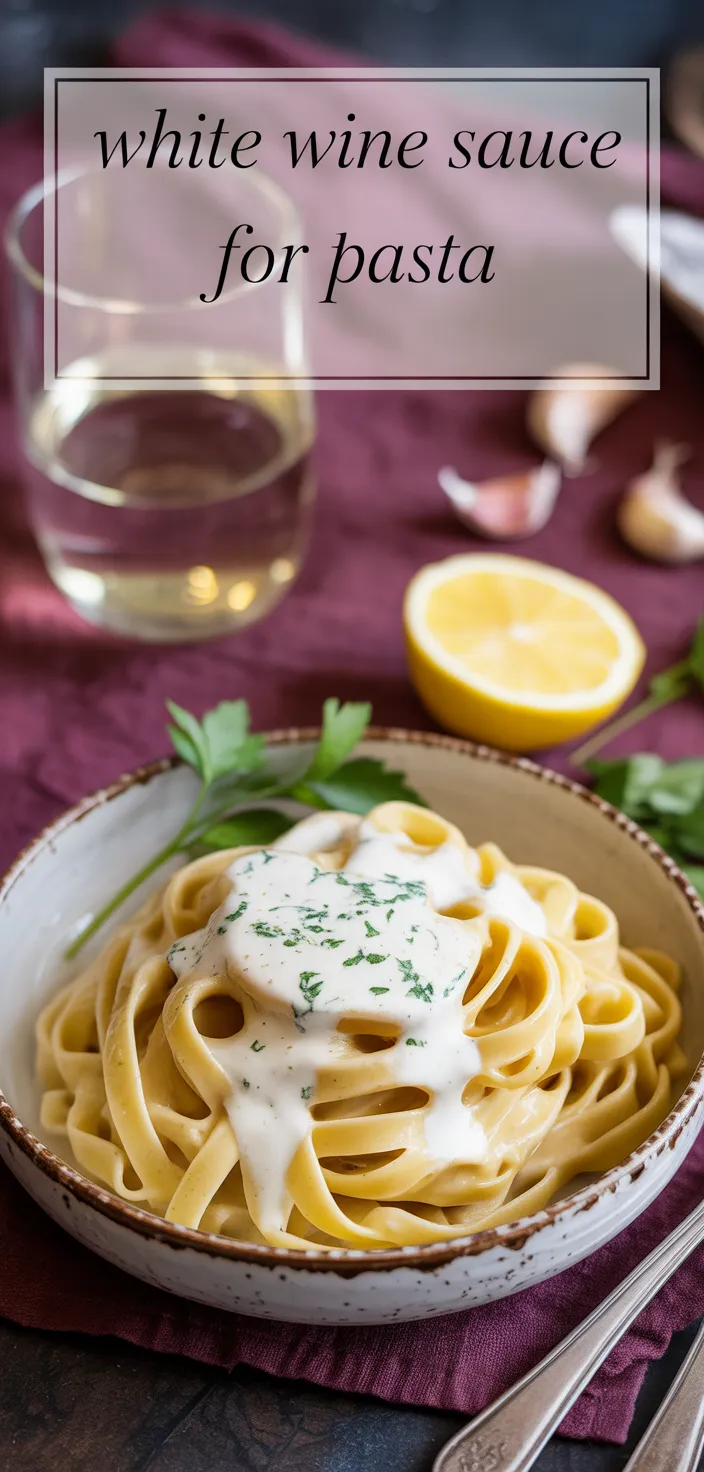
I adore this White Wine Butter Garlic Sauce For Pasta because it tastes like grown-up comfort without pretending to be fancy. I crave the bright tang of lemon and the punch of garlic, and that splash of white wine makes everything sing.
And I toss it with pasta and whatever protein I’ve scavenged the fridge, and suddenly weeknight dinner feels like a small win. White Wine Pasta Sauce that’s slick, a little salty, and clings to every strand.
No fluff. Just garlic and white wine, and the kind of saucy mess you want to eat right now on a plate.
Ingredients
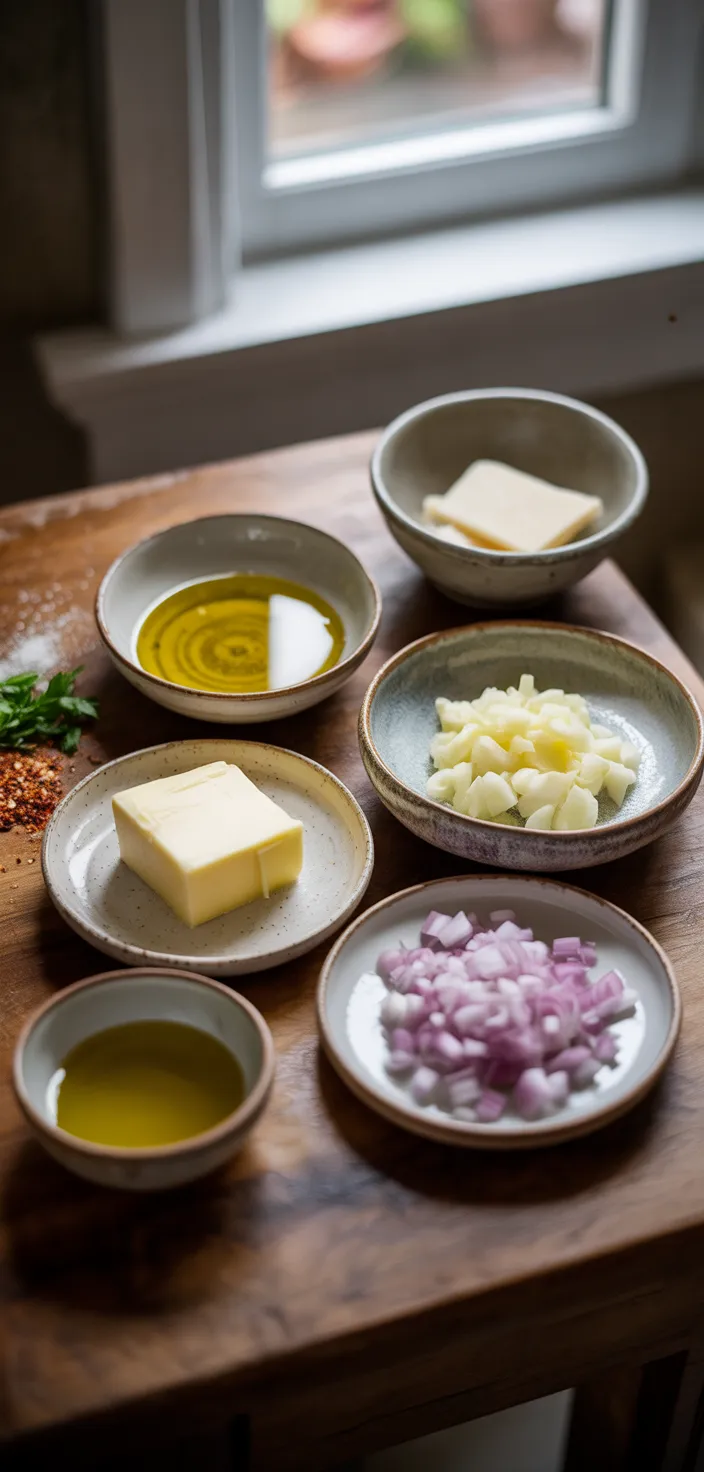
- Extra virgin olive oil: basically gives a silky mouthfeel and that fresh, fruity base.
- Unsalted butter: it’s rich and cozy, makes the sauce rounded and slightly glossy.
- Garlic, minced: punchy aroma and warm bite that you’ll smell before you taste.
- Shallot or onion: adds soft sweetness and a gentle oniony backbone without harshness.
- Dry white wine: bright acidity and light fruit notes, cuts through the richness.
- Low sodium broth: brings savory depth without making the sauce too salty.
- Heavy cream or half and half: basically makes it silky and keeps things clingy.
- Fresh lemon juice: adds zip and freshness, brightens the whole sauce.
- Kosher salt: it’s essential for balance, brings out all the other flavors.
- Black pepper: subtle heat and a little bite in every swirl.
- Red pepper flakes: plus a tiny tingle if you like mild heat.
- Parmesan cheese: salty, nutty umami that makes the sauce feel complete.
- Fresh parsley: fresh herb note and color, lightens heavier tastes.
- Reserved pasta water: basically miracle starchy liquid that helps the sauce cling.
Ingredient Quantities
- 2 tablespoons extra virgin olive oil
- 2 tablespoons unsalted butter
- 3 cloves garlic, minced (about 1 1/2 teaspoons)
- 1 small shallot, finely chopped (or 2 tablespoons onion)
- 1/2 cup dry white wine, like Sauvignon Blanc or Pinot Grigio
- 1/2 cup low sodium chicken or vegetable broth
- 1/4 cup heavy cream or half and half, optional but makes it silky
- 1 tablespoon fresh lemon juice, more to taste
- 1/2 teaspoon kosher salt, plus more as needed
- 1/4 teaspoon freshly ground black pepper
- Pinch of red pepper flakes, optional for a little heat
- 1/2 cup freshly grated Parmesan cheese, packed
- 2 tablespoons fresh parsley, chopped
- 1/4 to 1/2 cup reserved hot pasta cooking water, as needed to loosen sauce
How to Make this
1. Bring a large pot of salted water to a boil and cook your pasta according to package directions until just shy of al dente; reserve 1/4 to 1/2 cup of the hot pasta water, then drain the pasta.
2. While the pasta cooks, heat 2 tablespoons extra virgin olive oil and 2 tablespoons unsalted butter in a large skillet over medium heat until the butter is foamy but not browned.
3. Add 3 minced garlic cloves and 1 finely chopped small shallot; sauté for about 1 minute until fragrant, stirring so the garlic doesn’t burn.
4. Pour in 1/2 cup dry white wine and turn the heat up a notch to medium high; let it bubble and reduce by about half, scraping up any browned bits, this concentrates the flavor.
5. Stir in 1/2 cup low sodium chicken or vegetable broth and a pinch of red pepper flakes if using; simmer for 1 to 2 minutes to marry the flavors.
6. If you want a silkier sauce add 1/4 cup heavy cream or half and half now and warm through, but do not boil hard once the cream is in or it can separate.
7. Add 1 tablespoon fresh lemon juice, 1/2 teaspoon kosher salt, and 1/4 teaspoon freshly ground black pepper; taste and adjust salt or lemon as needed because wine and cheese change the balance.
8. Remove the skillet from heat and stir in 1/2 cup freshly grated Parmesan cheese until melted and smooth; if the sauce seems too thick, loosen it with a splash of the reserved hot pasta water until you reach a glossy, clingy consistency.
9. Toss the drained pasta into the sauce over low heat so it coats every strand, add 2 tablespoons chopped fresh parsley, and toss again; if using chicken, seafood, or veggies add them now to warm through.
10. Serve immediately with extra Parmesan, a squeeze more lemon if you like, and a crack of black pepper. This comes together in about 10 minutes so don’t walk away from the stove.
Equipment Needed
1. Large pot for boiling the pasta (big enough for salted water)
2. Colander to drain the pasta — wait i said not to use that, sorry: use a colander to drain pasta
3. Large skillet or sauté pan for the sauce
4. Chef’s knife and a cutting board for the shallot and parsley
5. Wooden spoon or silicone spatula for stirring and scraping the pan
6. Measuring cups and spoons for the wine, broth, cream and seasonings
7. Box grater for fresh Parmesan
8. Tongs or a pasta fork to toss the pasta in the sauce
FAQ
White Wine Sauce For Pasta Recipe Substitutions and Variations
- White wine (1/2 cup) – Use 1/2 cup dry vermouth or 1/2 cup white wine vinegar diluted with 1/4 cup water if you want acidity without alcohol; reduce vinegar to taste so it don’t overpower.
- Chicken/vegetable broth (1/2 cup) – Swap with 1/2 cup water plus 1/2 teaspoon bouillon or 1/2 cup mushroom broth for deeper umami.
- Heavy cream (1/4 cup) – Replace with 1/4 cup full fat yogurt or 1/4 cup creme fraiche for creaminess; stir in off heat so it doesn’t curdle.
- Parmesan cheese (1/2 cup) – Grana Padano or Pecorino Romano both work; if you need non-dairy, use 1/2 cup nutritional yeast plus a pinch of salt for cheesy flavor.
Pro Tips
1) Save and use the pasta water but don’t add it all at once. Start with a tablespoon or two to loosen the sauce, then add more if it feels gummy. Hot water melds the cheese into a silky emulsion way better than cold water.
2) Grate your own Parmesan right before you use it. Pre-grated stuff has anti-caking agents so it won’t melt as smoothly and the flavor is flatter. Also pack the cheese when you measure so you don’t accidentally undercount.
3) Don’t walk away when you add the garlic. It goes from fragrant to bitter in seconds. Keep the heat medium, stir constantly, and if the garlic even starts to brown, add the wine immediately to cool the pan.
4) If you want a brighter lemon presence without overt tartness, add half the lemon juice into the sauce and save the rest to squeeze over the finished dish at the table. Freshly cracked black pepper added at the end tastes way fresher than pepper stirred in early.
White Wine Sauce For Pasta Recipe
I whipped up a Garlic White Wine Sauce for pasta and shrimp and suddenly my 10-minute weeknight dinners have restaurant-level swagger.
4
servings
253
kcal
Equipment: 1. Large pot for boiling the pasta (big enough for salted water)
2. Colander to drain the pasta — wait i said not to use that, sorry: use a colander to drain pasta
3. Large skillet or sauté pan for the sauce
4. Chef’s knife and a cutting board for the shallot and parsley
5. Wooden spoon or silicone spatula for stirring and scraping the pan
6. Measuring cups and spoons for the wine, broth, cream and seasonings
7. Box grater for fresh Parmesan
8. Tongs or a pasta fork to toss the pasta in the sauce
Ingredients
-
2 tablespoons extra virgin olive oil
-
2 tablespoons unsalted butter
-
3 cloves garlic, minced (about 1 1/2 teaspoons)
-
1 small shallot, finely chopped (or 2 tablespoons onion)
-
1/2 cup dry white wine, like Sauvignon Blanc or Pinot Grigio
-
1/2 cup low sodium chicken or vegetable broth
-
1/4 cup heavy cream or half and half, optional but makes it silky
-
1 tablespoon fresh lemon juice, more to taste
-
1/2 teaspoon kosher salt, plus more as needed
-
1/4 teaspoon freshly ground black pepper
-
Pinch of red pepper flakes, optional for a little heat
-
1/2 cup freshly grated Parmesan cheese, packed
-
2 tablespoons fresh parsley, chopped
-
1/4 to 1/2 cup reserved hot pasta cooking water, as needed to loosen sauce
Directions
- Bring a large pot of salted water to a boil and cook your pasta according to package directions until just shy of al dente; reserve 1/4 to 1/2 cup of the hot pasta water, then drain the pasta.
- While the pasta cooks, heat 2 tablespoons extra virgin olive oil and 2 tablespoons unsalted butter in a large skillet over medium heat until the butter is foamy but not browned.
- Add 3 minced garlic cloves and 1 finely chopped small shallot; sauté for about 1 minute until fragrant, stirring so the garlic doesn't burn.
- Pour in 1/2 cup dry white wine and turn the heat up a notch to medium high; let it bubble and reduce by about half, scraping up any browned bits, this concentrates the flavor.
- Stir in 1/2 cup low sodium chicken or vegetable broth and a pinch of red pepper flakes if using; simmer for 1 to 2 minutes to marry the flavors.
- If you want a silkier sauce add 1/4 cup heavy cream or half and half now and warm through, but do not boil hard once the cream is in or it can separate.
- Add 1 tablespoon fresh lemon juice, 1/2 teaspoon kosher salt, and 1/4 teaspoon freshly ground black pepper; taste and adjust salt or lemon as needed because wine and cheese change the balance.
- Remove the skillet from heat and stir in 1/2 cup freshly grated Parmesan cheese until melted and smooth; if the sauce seems too thick, loosen it with a splash of the reserved hot pasta water until you reach a glossy, clingy consistency.
- Toss the drained pasta into the sauce over low heat so it coats every strand, add 2 tablespoons chopped fresh parsley, and toss again; if using chicken, seafood, or veggies add them now to warm through.
- Serve immediately with extra Parmesan, a squeeze more lemon if you like, and a crack of black pepper. This comes together in about 10 minutes so don't walk away from the stove.
Notes
- Below you’ll find my best estimate of this recipe’s nutrition facts. Treat the numbers as a guide rather than a rule—great food should nourish both body and spirit. Figures are approximate, and the website owner assumes no liability for any inaccuracies in this recipe.
Nutrition Facts
- Serving Size: 142g
- Total number of serves: 4
- Calories: 253kcal
- Fat: 21.5g
- Saturated Fat: 10g
- Trans Fat: 0.15g
- Polyunsaturated: 1.25g
- Monounsaturated: 9g
- Cholesterol: 46mg
- Sodium: 438mg
- Potassium: 120mg
- Carbohydrates: 3.8g
- Fiber: 0.4g
- Sugar: 1g
- Protein: 5.5g
- Vitamin A: 500IU
- Vitamin C: 3.5mg
- Calcium: 145mg
- Iron: 0.5mg
